US Patent 12393768
Layout-aware multimodal document understanding
Google describes reading a page as blocks of text, image, table and layout, then how those blocks relate.
So block order and structure carry meaning.
Topical maps, semantic content, schema and site structure, built as one system. For service and trade businesses that count calls, quote requests and booked jobs. Not ranking reports.

Businesses I have built and ranked for
















Doing SEO and web work since
Projects delivered
Industries served
Core markets: USA, UK, Canada, Australia, UAE, Germany
People following my SEO notes on LinkedIn
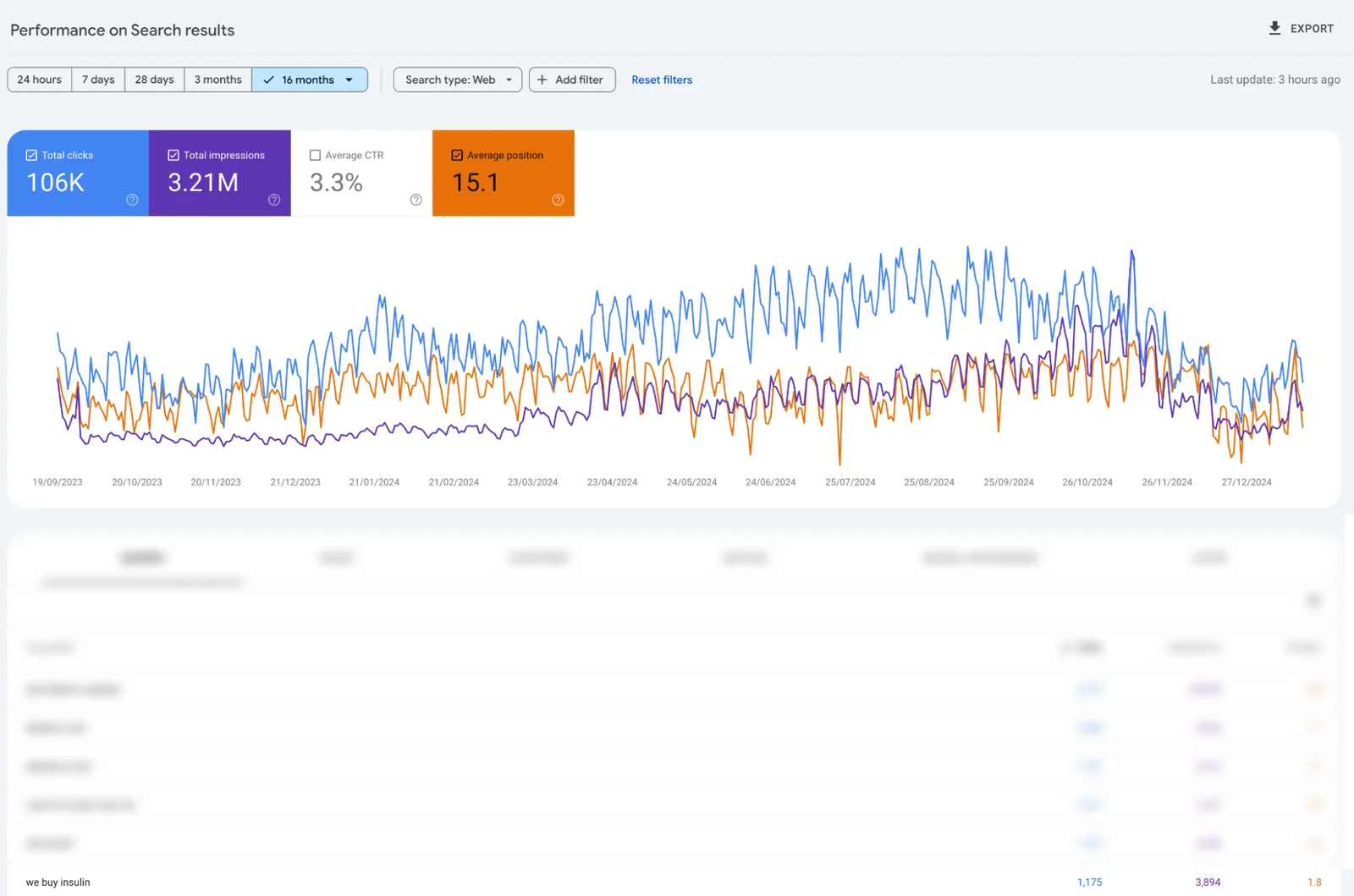
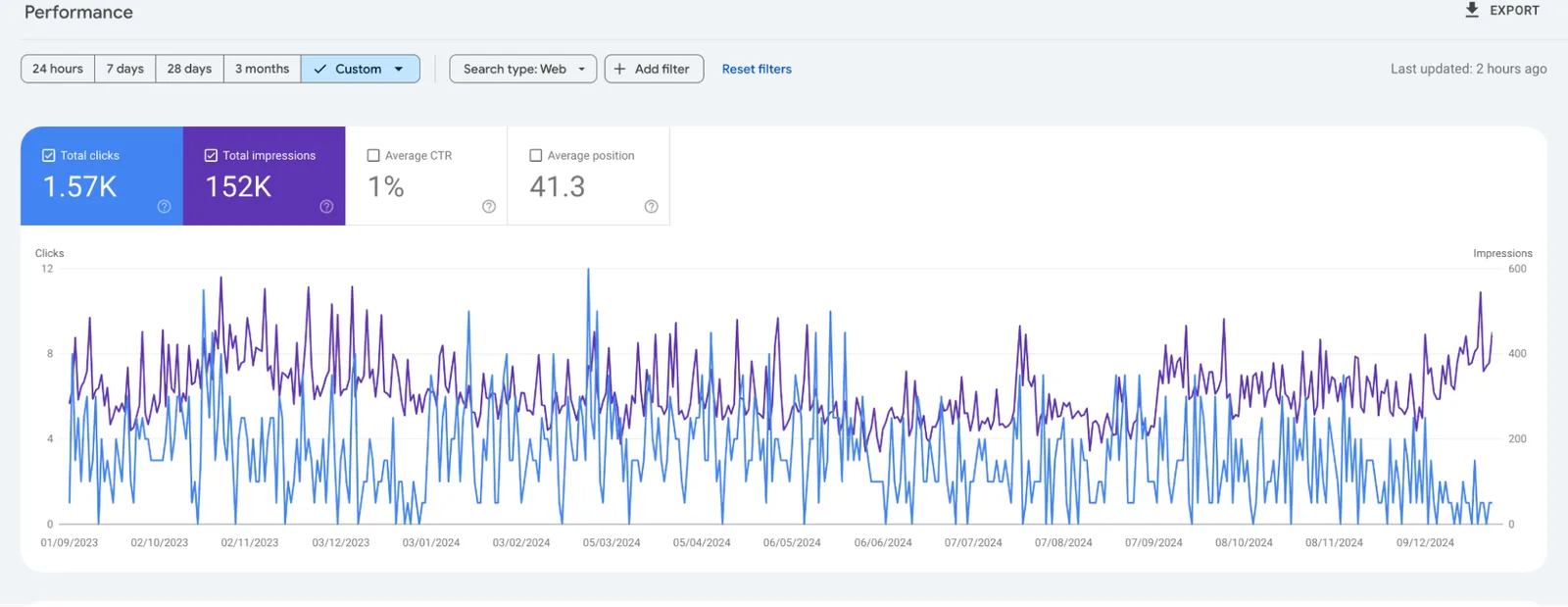
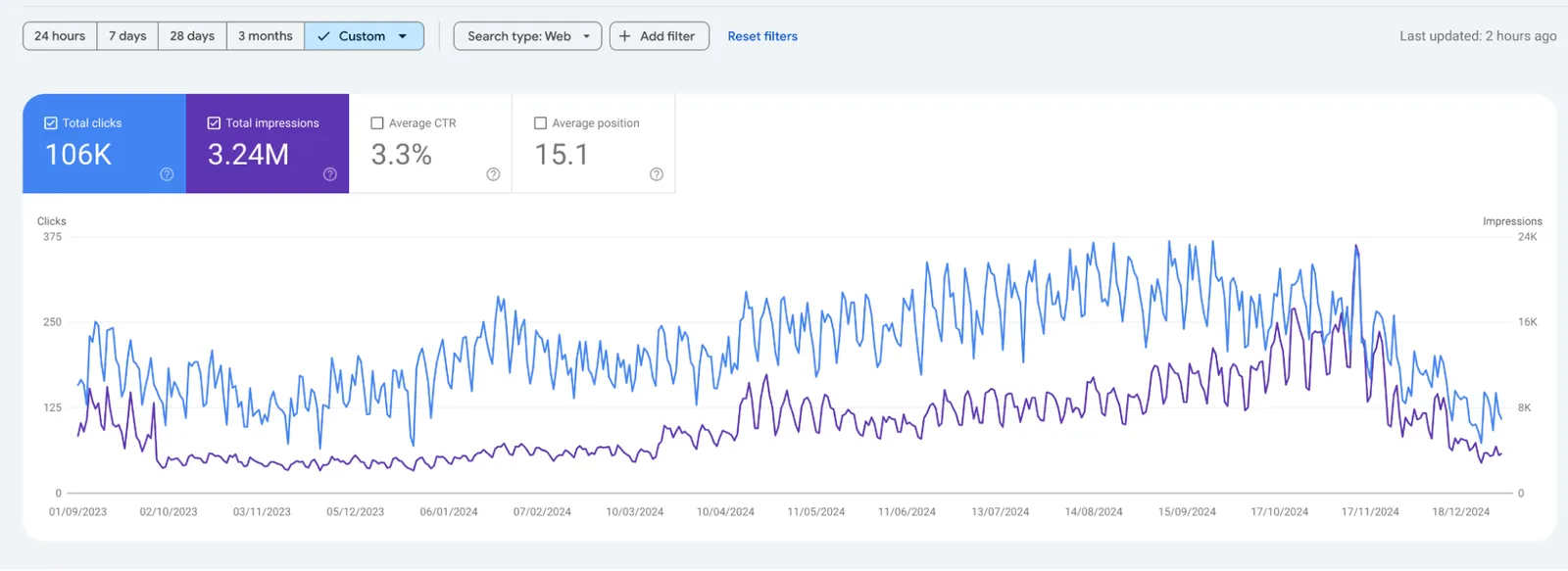
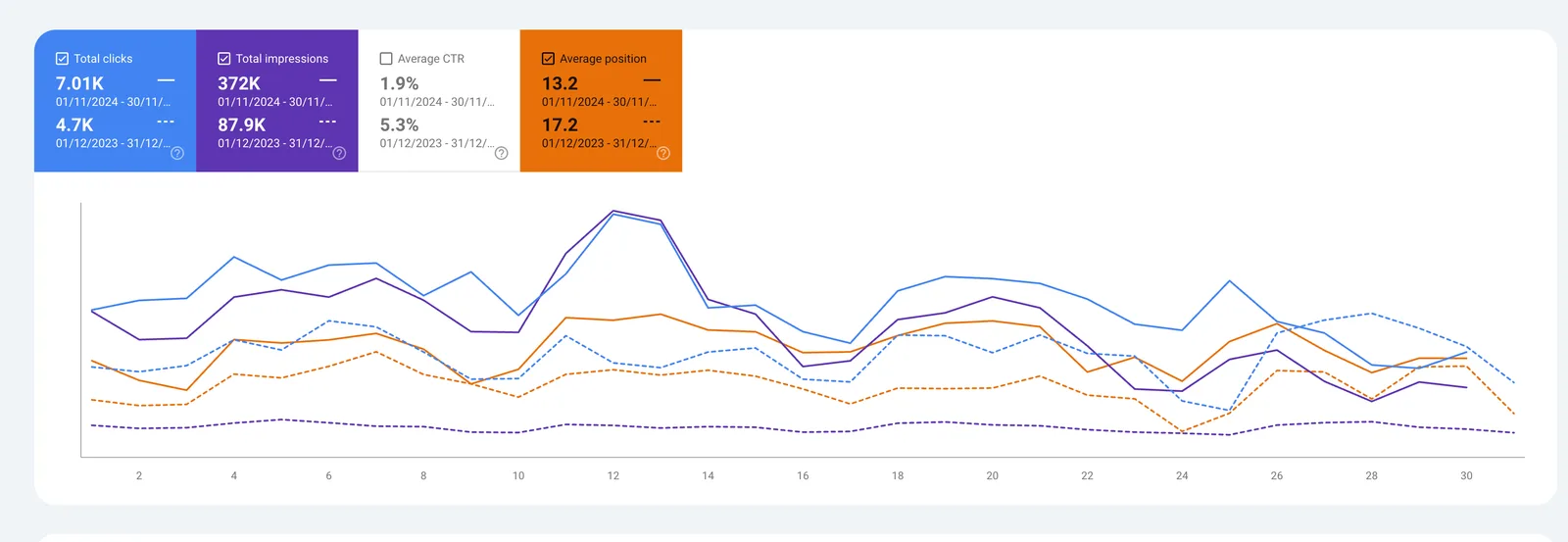
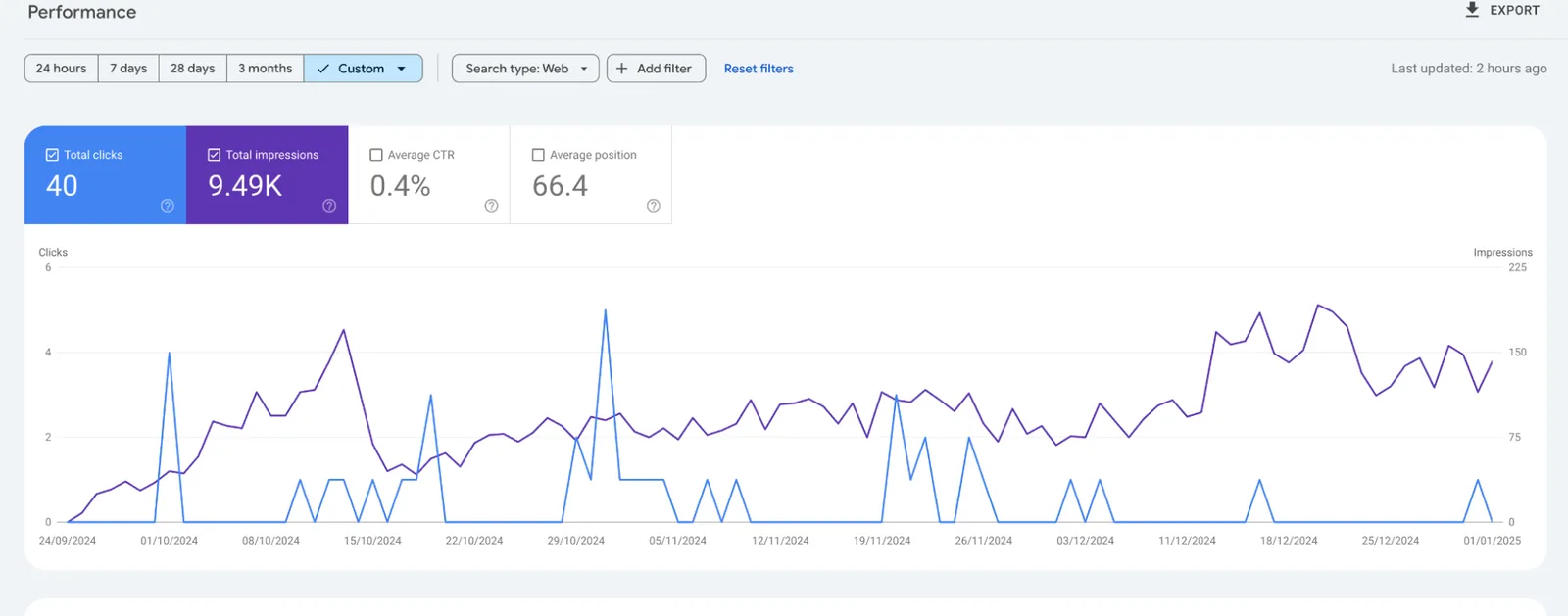
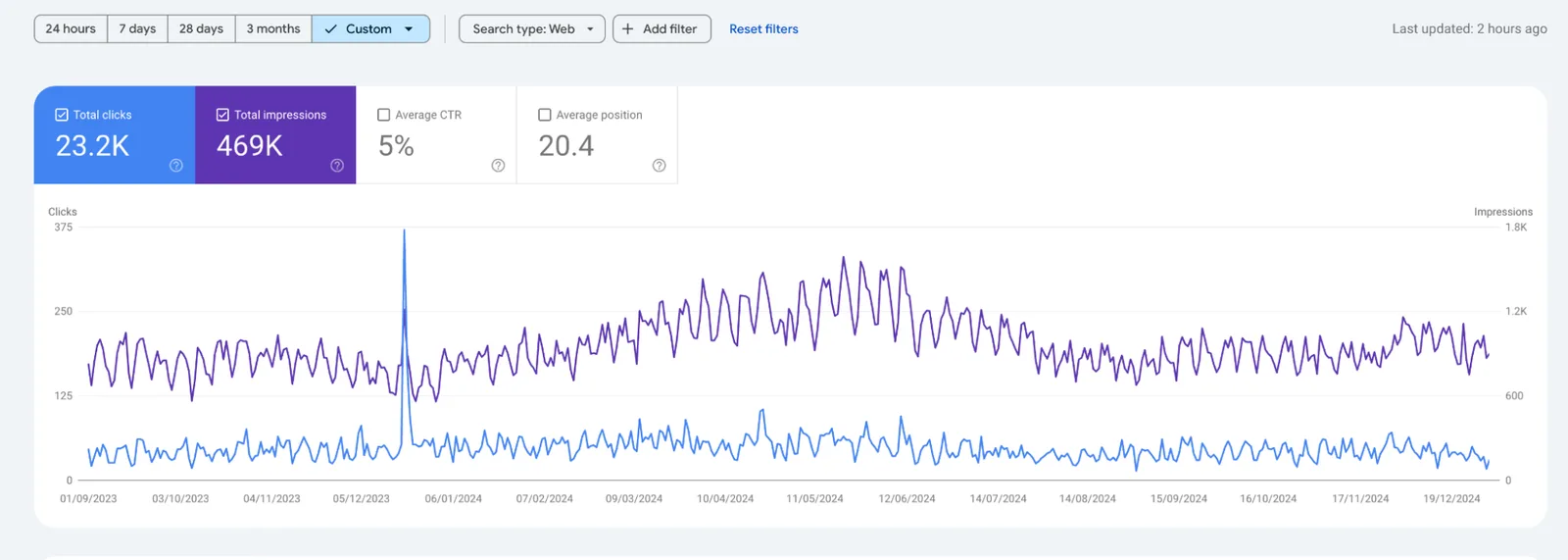
Eight sites. Real Google Search Console reports, the full 16-month view, domains hidden. Click any report to see it full size.
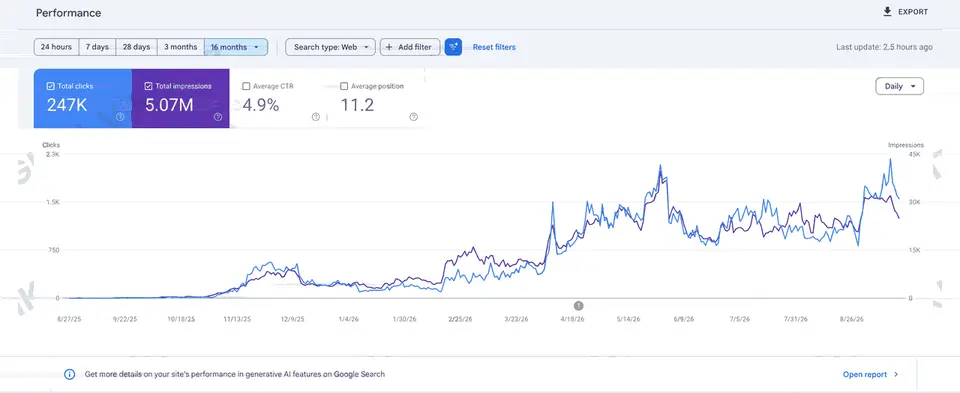
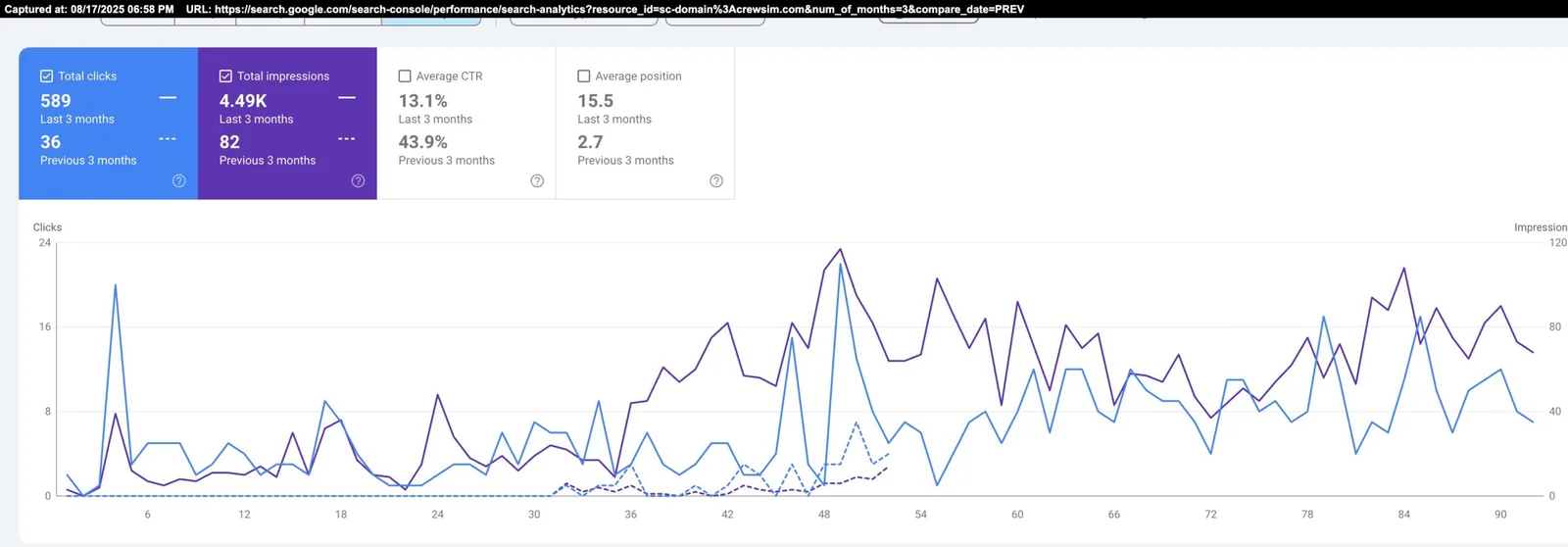
First impressions in late August 2025. Clicks then climbed in clear steps through 2026.
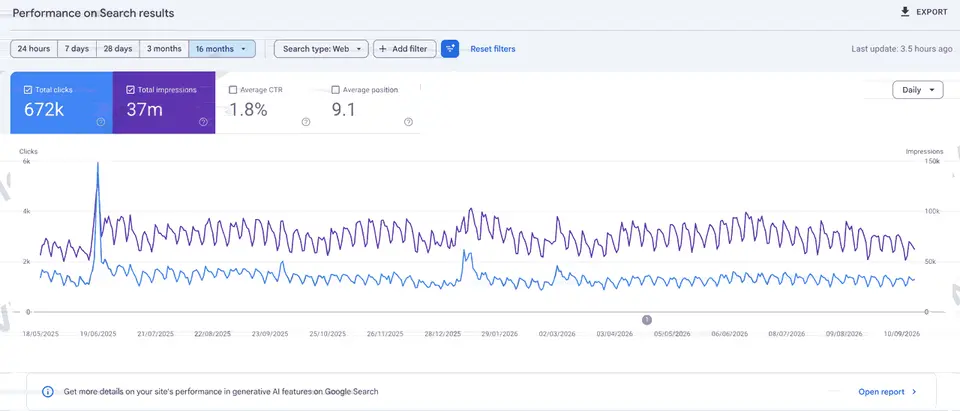
Daily clicks stayed level for 16 months while impressions held near 90K a day.
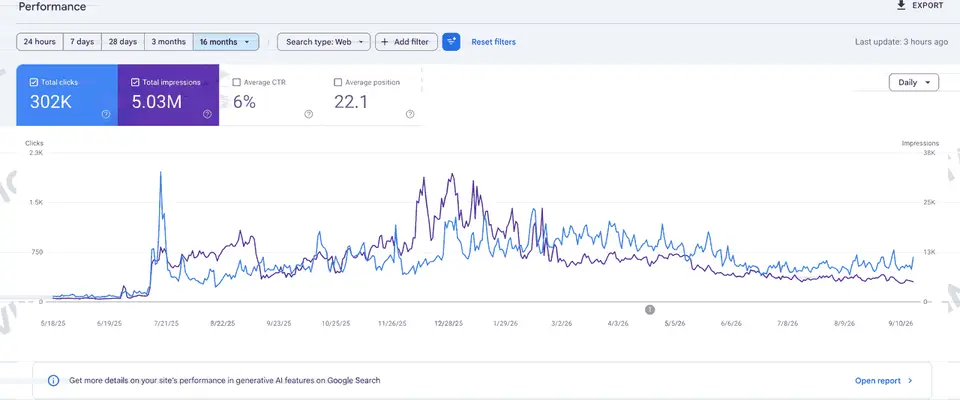
Near zero until July 2025, then a sharp rise that held.
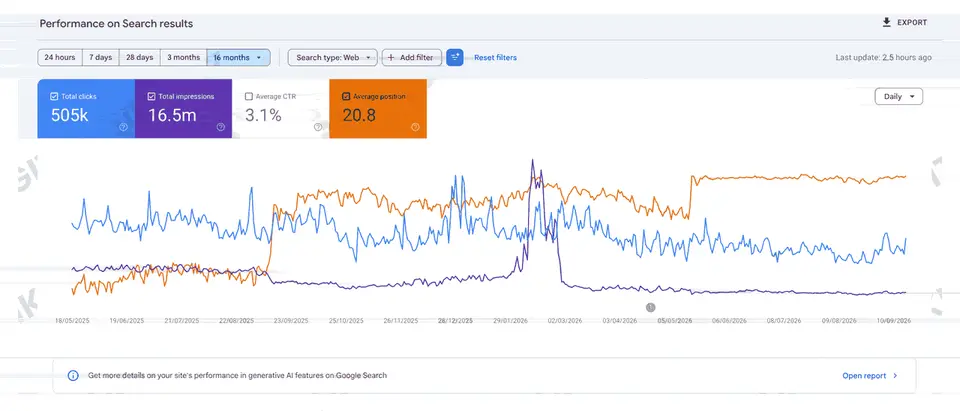
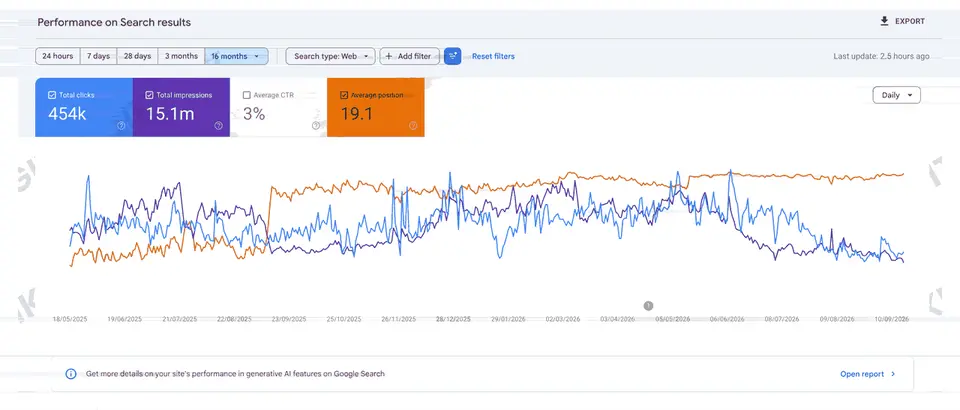
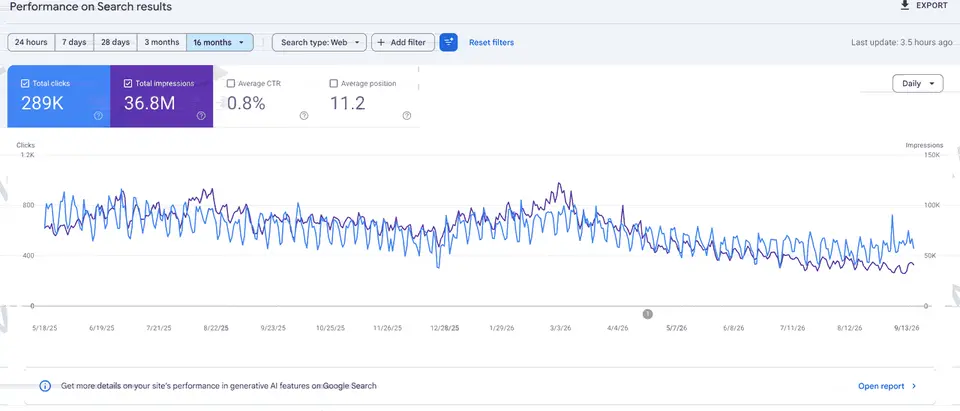
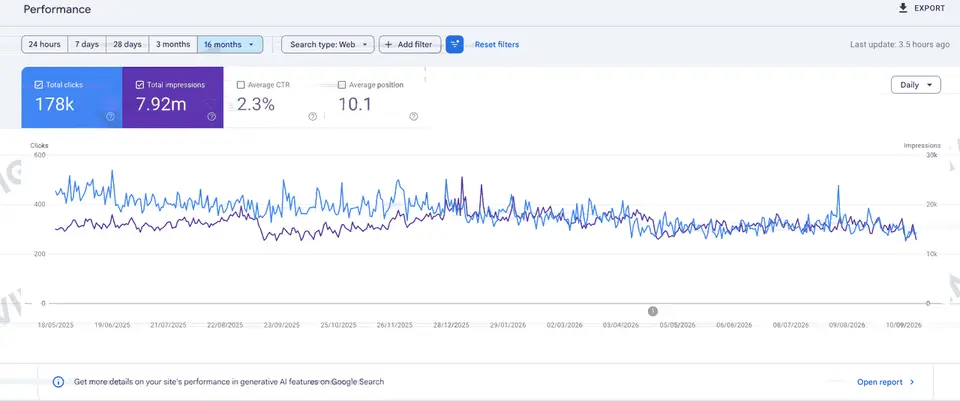
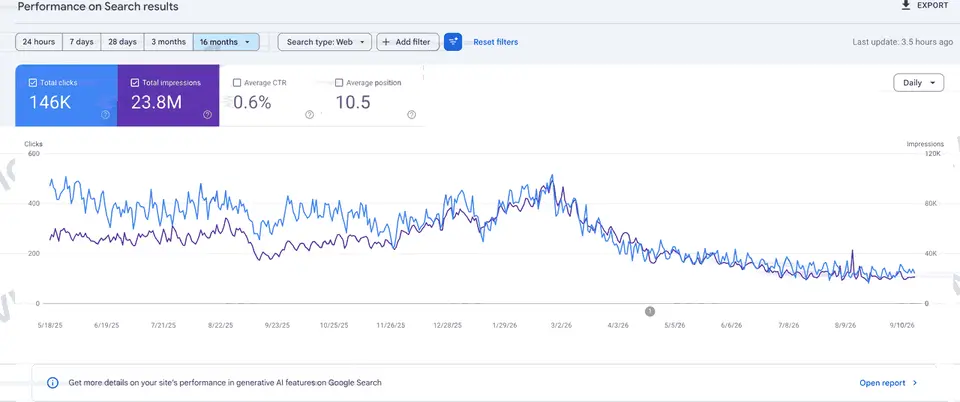
Not every line goes up. Search moves, and some of these sites dipped in 2026. We show the full 16 months, not a cropped spike. That is the same honesty you get in our reports.
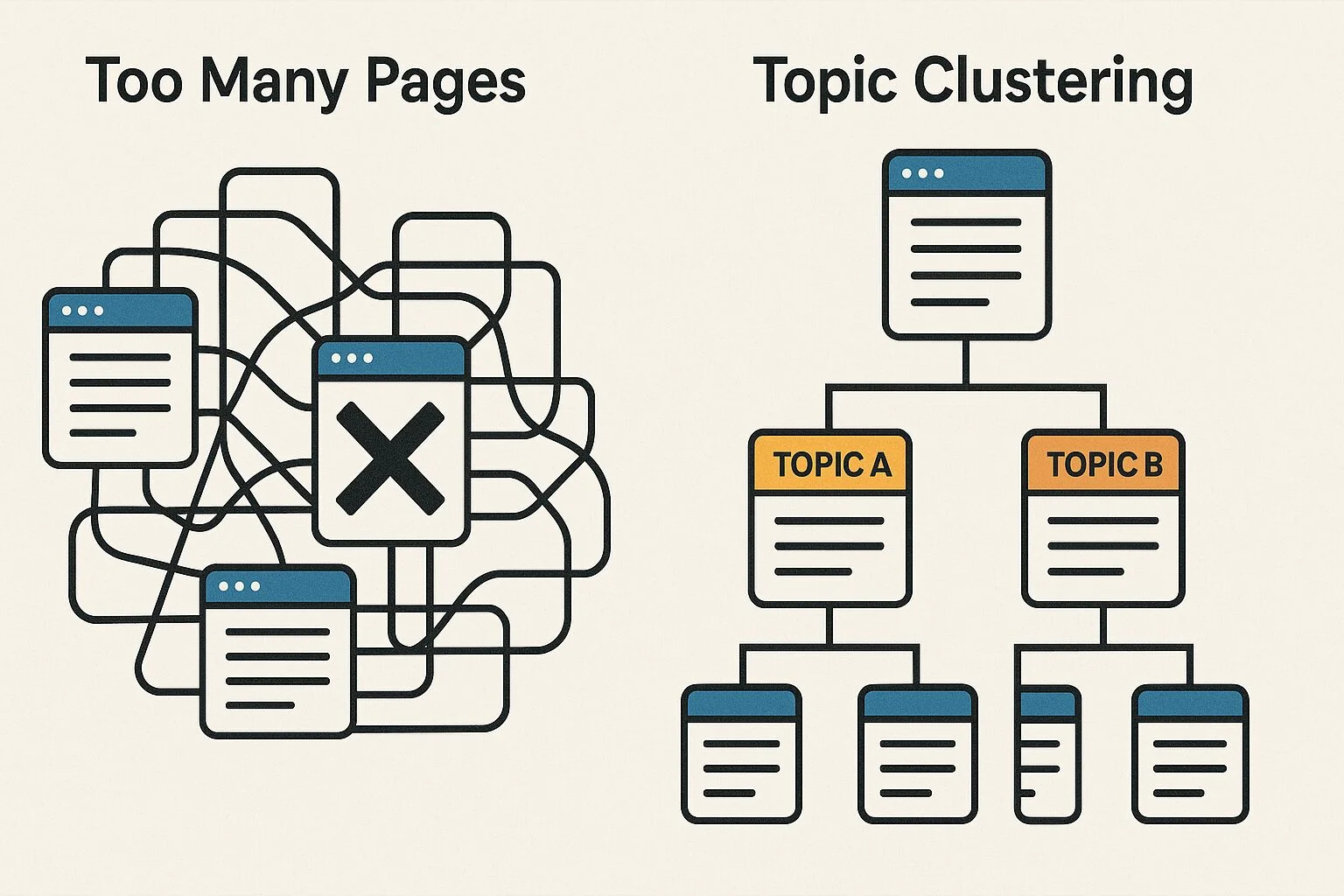
Most service sites put every town they cover on one page. To Google, that is one page about everything. It can rank for one place. The other fifteen towns go to whoever gave Google a page for them.
I trained as a mechanical engineer. I build sites the way I was taught to build machines. Every part has one job, and every part connects. This is the Koray Tuğberk Gübür framework, applied step by step.
Who you are, what you sell, and why Google should trust you on it.
The one thing the whole site is about. Every page points back to it.
Every service, town and question mapped into core and outer sections.
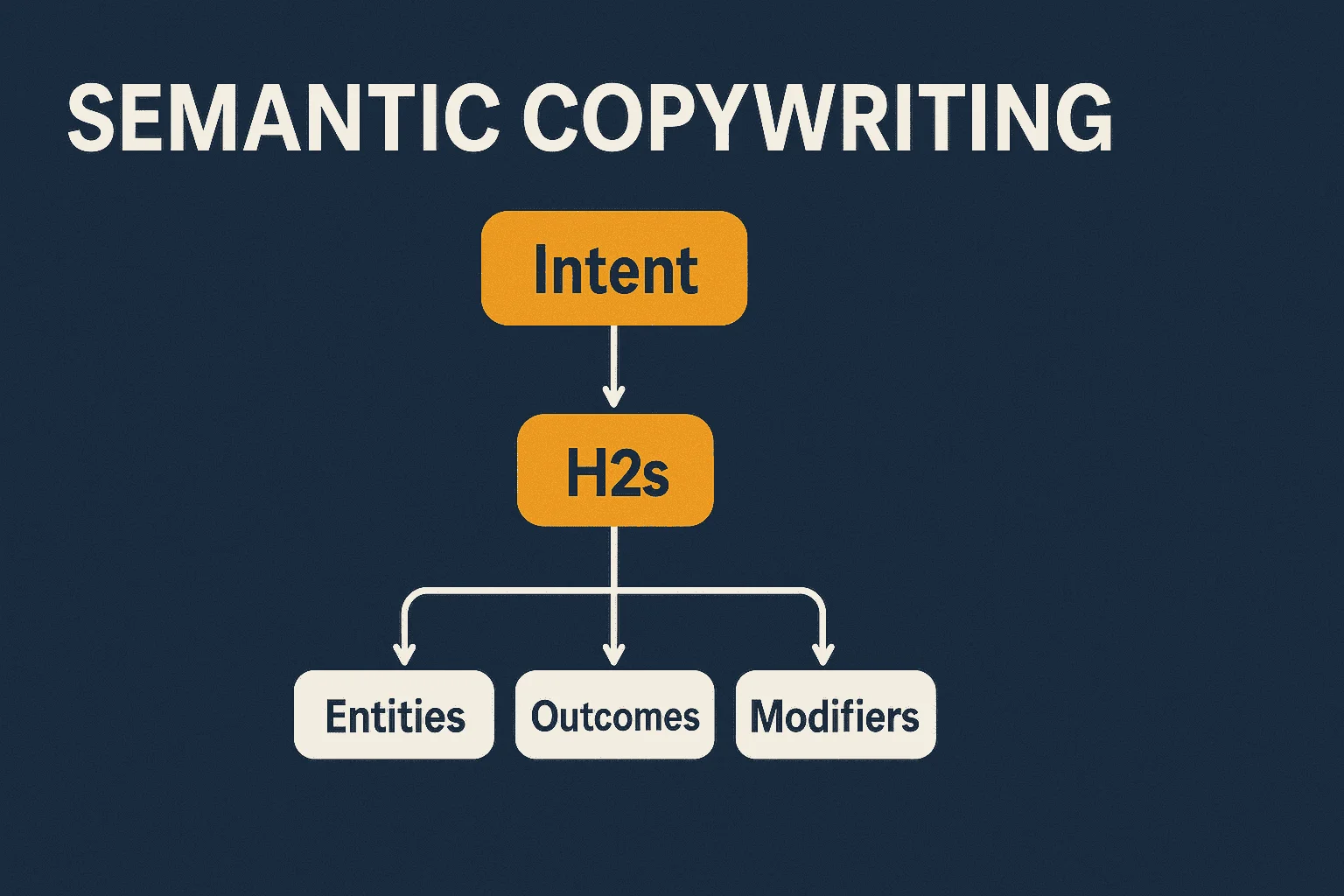
Headings, questions and anchor texts set before a word is written.
Clear answers in plain words, written for owners and for search engines.
Internal links, schema, speed and indexing. The wiring of the machine.
Calls, quote requests, booked jobs and sales. That is the scoreboard.
Here is the real workflow, run on an example plumbing business. The topical map decides which page exists. The brief decides every block. The layout decides what Google reads first.
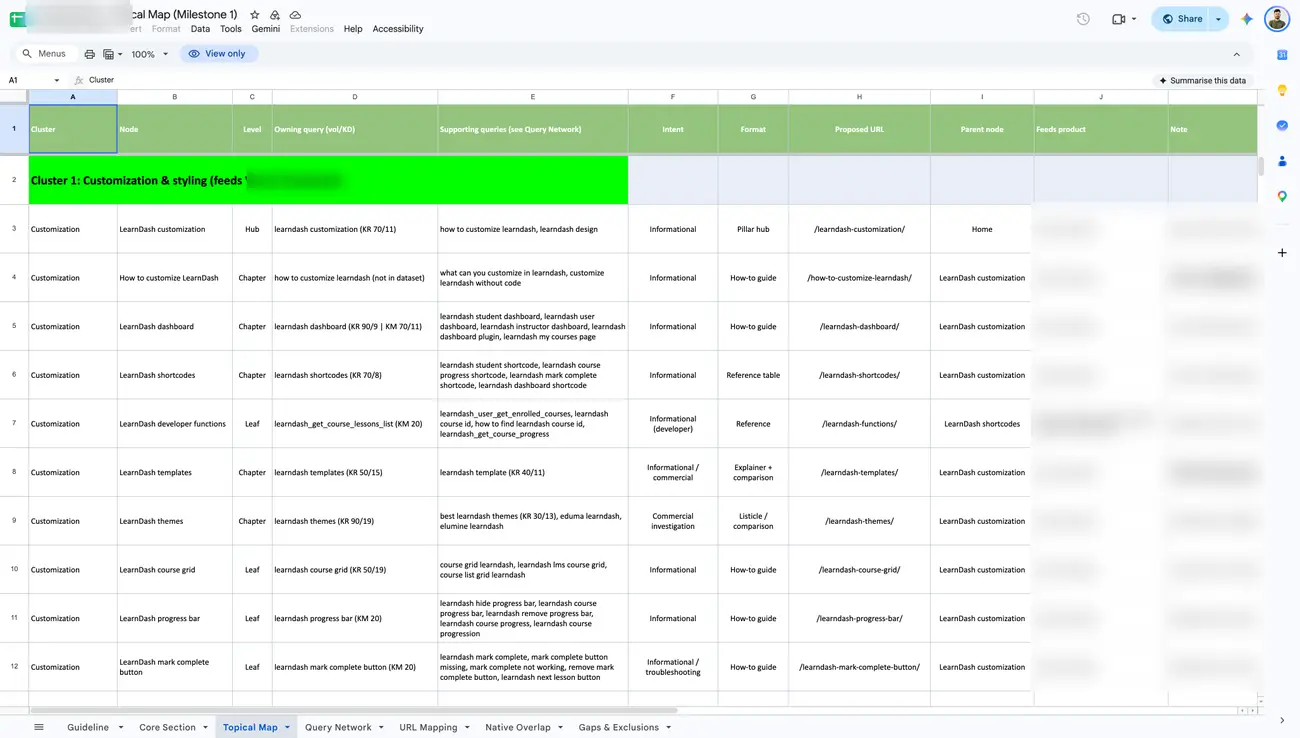
Every service, question and town becomes a node. Each node gets one owning query, one intent and one URL. No two pages chase the same search.
| Cluster | Node | Level | Owning query | Intent | Proposed URL |
|---|---|---|---|---|---|
| Repiping | Whole-house repiping | Hub | whole house repipe | Commercial | /repiping/ |
| Repiping | PEX vs copper repipe | Chapter | pex vs copper repipe | Informational | /repiping/pex-vs-copper/ |
| Repiping | Repipe cost | Chapter | how much does it cost to repipe a house | Commercial | /repiping/cost/ |
| Repiping | Signs you need a repipe | Leaf | signs you need to repipe | Informational | /repiping/signs/ |
| Service areas | Repiping in Springfield | Town | repiping springfield | Transactional | /springfield/repiping/ |
| Service areas | Repiping in Franklin | Town | repiping franklin | Transactional | /franklin/repiping/ |
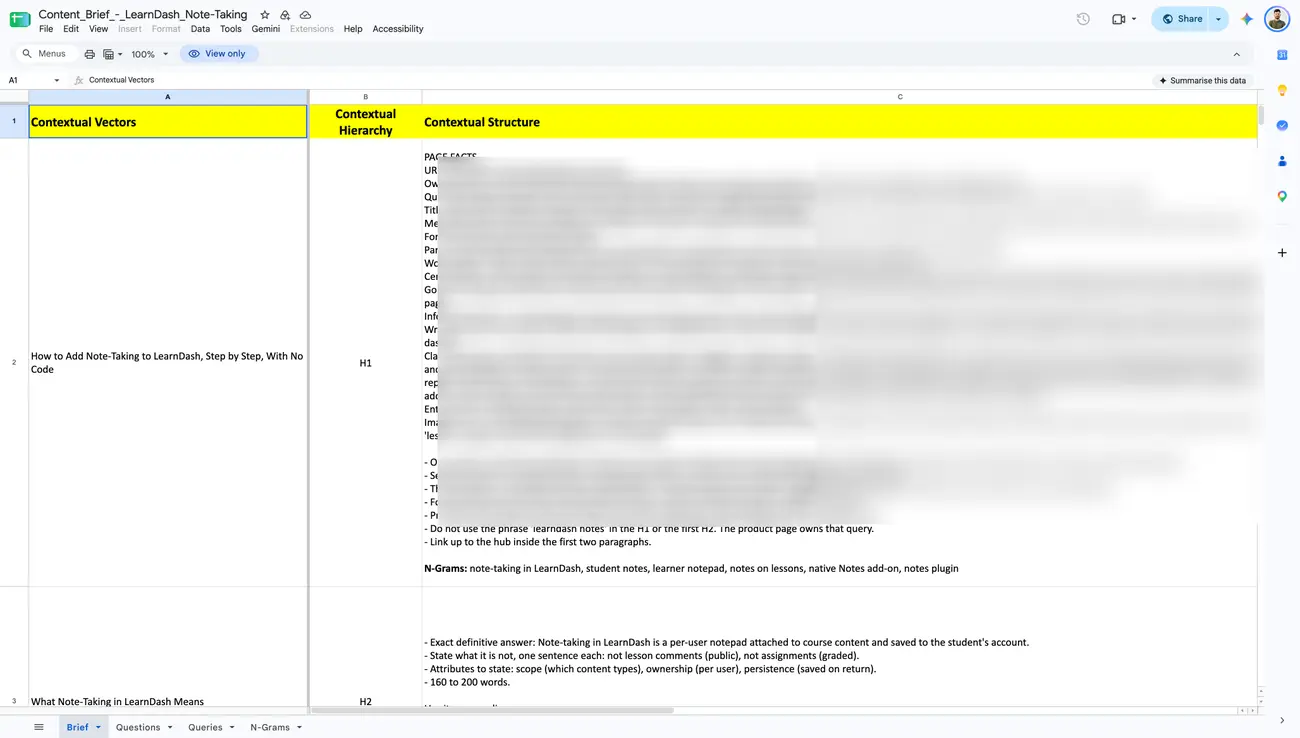
One row per heading. What each block must say, how it is shaped, and which page it links to. Same four columns on every brief.
| Contextual Vectors | Contextual Hierarchy | Contextual Structure | Contextual Connection |
|---|---|---|---|
| Repiping in Springfield: Cost, Pipe Materials and What to Expect | H1 | Central entity in the H1, the standfirst and the first block. The first 400 characters say who repipes homes in Springfield, with which pipe, and how to get a quote. | none |
| How Much Does a Repipe Cost in Springfield? | H2 | Cost card first. Ranges by home size and pipe material. Attribute and value, no adjectives. | repipe cost → /repiping/cost/ |
| PEX or Copper for a Springfield Home? | H2 | Comparison as a real table. Lifespan, cost per foot, freeze tolerance. | PEX vs copper → /repiping/pex-vs-copper/ |
| What Happens on Repipe Day? | H2 | Ordered steps in an ol list. One action per step. | none |
| Repiping Questions Springfield Owners Ask | H2 | Micro context. Only questions the page has not answered above. | signs you need a repipe → /repiping/signs/ |
The brief becomes blocks in a set order. The answer goes first. Proof sits beside the action. Links and FAQs go below the fold.
We build to what Google has patented and said in public. We don't sell any of it as a guaranteed ranking factor. We use it to make pages cheaper for Google to read and easier for owners' customers to use.
Google describes reading a page as blocks of text, image, table and layout, then how those blocks relate.
Repeated cards with labels, values and an entity can trigger a card template in search.
Google finds the main content block of a page and gives boilerplate around it less weight.
Google runs fast topicality checks before its expensive ranking systems look at a shortlist.
Koray Tuğberk Gübür's topical authority formula. Visual annotations are a multiplier. Get the layout wrong and everything above it is multiplied by close to zero. That is why we plan SEO and design as one job.
Pick a business type. Each map starts from one central entity, then grows into the pages, questions and attributes Google expects to find. Hover any node to trace its links.
Nine services in three layers. Claim your topic. Shield it from competitors and AI answers that skip you. Then scale what works.
Source context, central entity and a full topical map. The plan every page is built from.
What Google reads on your site today, where it is confused, and which pages compete with each other.
New builds, redesigns and rebuilds. Fast, clean and structured around the map, not a template.
JSON-LD that tells Google who you are, what you do and where. Plus crawl, index and speed fixes.
Town pages, service area structure and a Business Profile that matches your site, entity for entity.
Content shaped so ChatGPT, Gemini, Perplexity and Google AI answers can find you, trust you and cite you.
Briefs and human-written pages, posts and FAQs. Each one tied to a node on the map.
Posts, reels and carousels that use the same entities your site is built on. One voice everywhere.
Topical maps, briefs and semantic content delivered under your brand, for your clients.
The topical map decides what each page must say. The design decides what Google and your customer see first. Split the two across vendors and one quietly undoes the other.
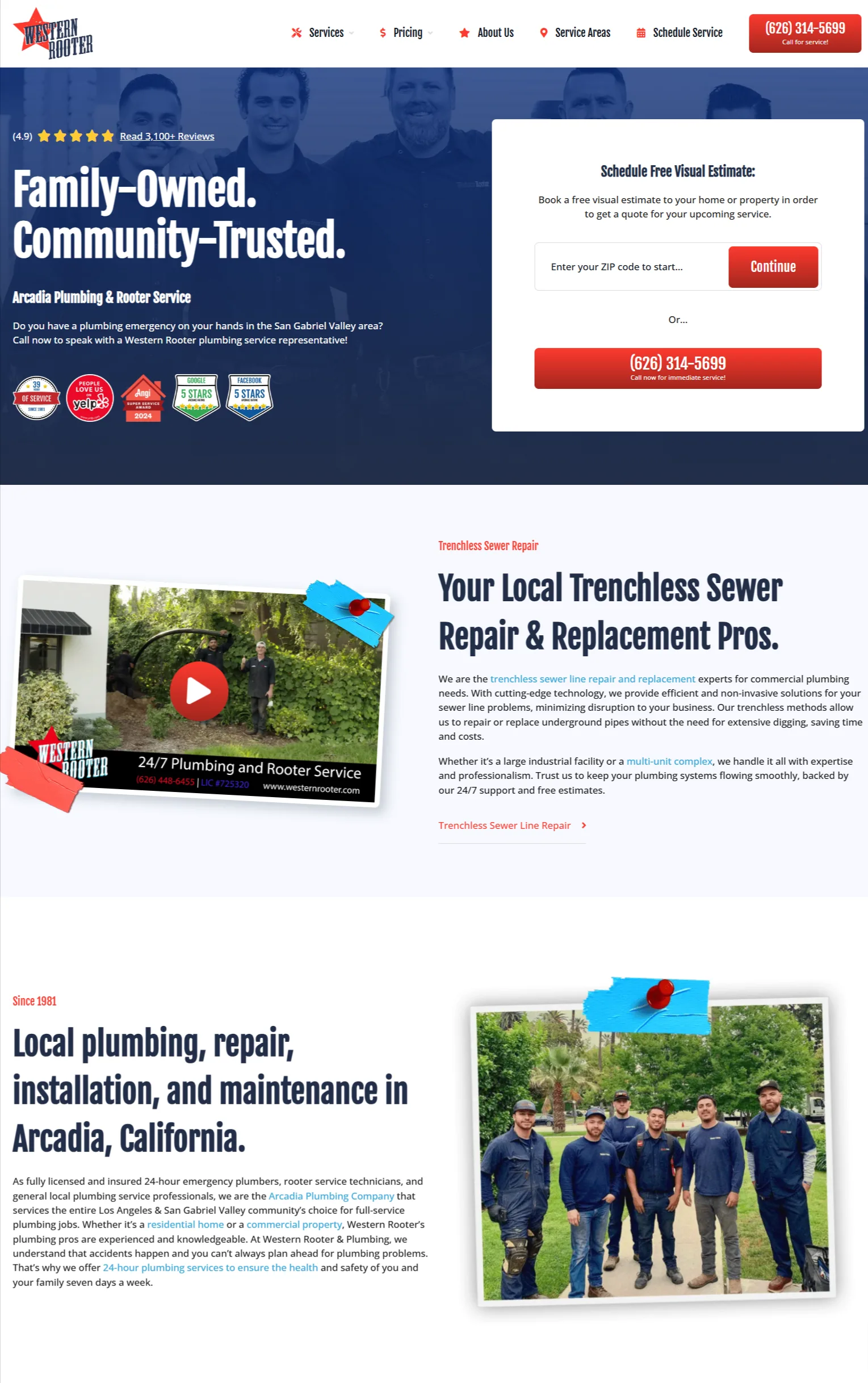
Hover a site to scroll the full page. Click to open it.
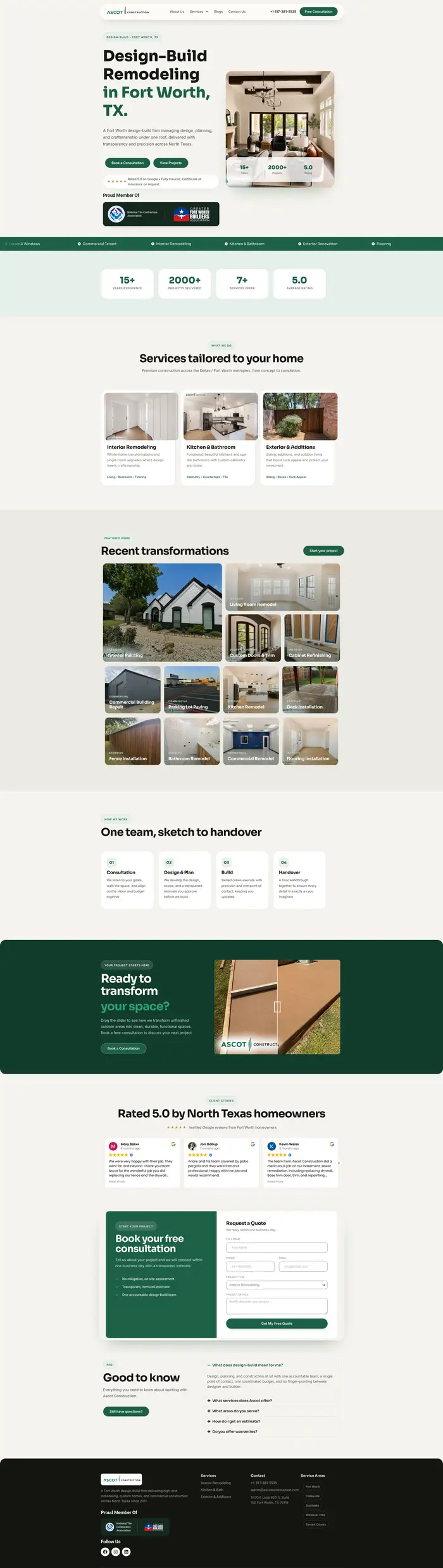

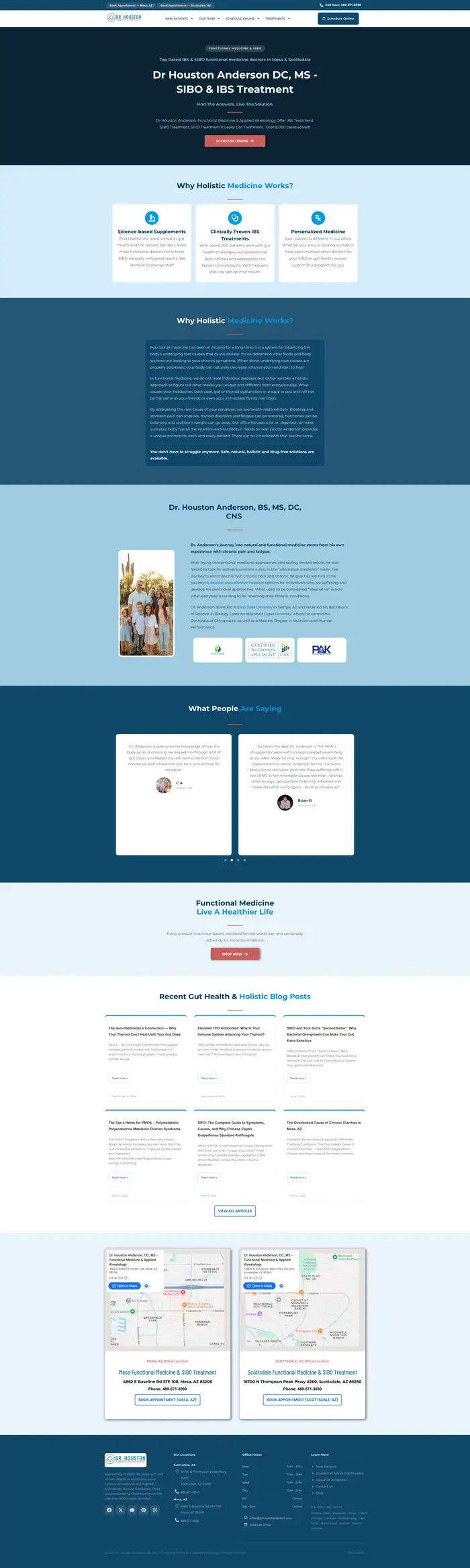

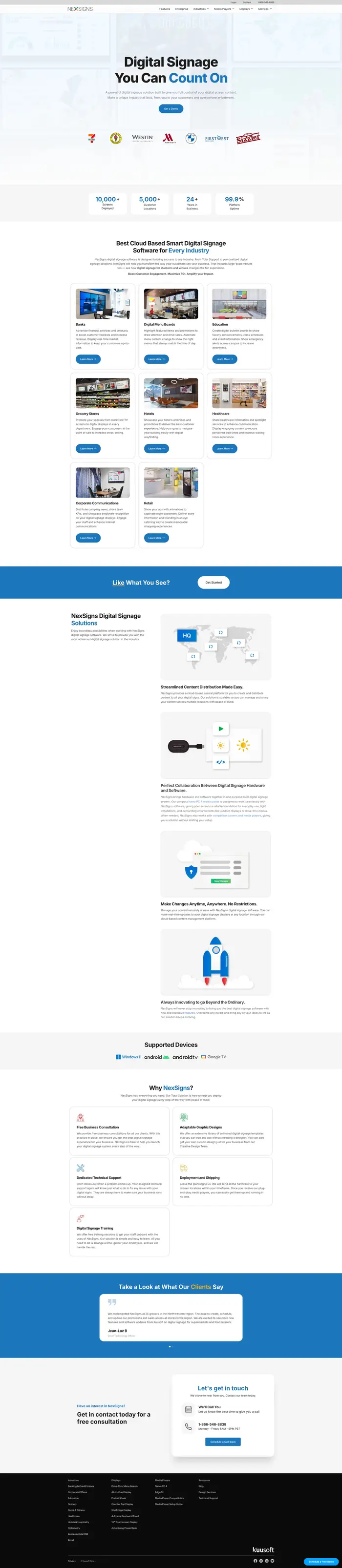
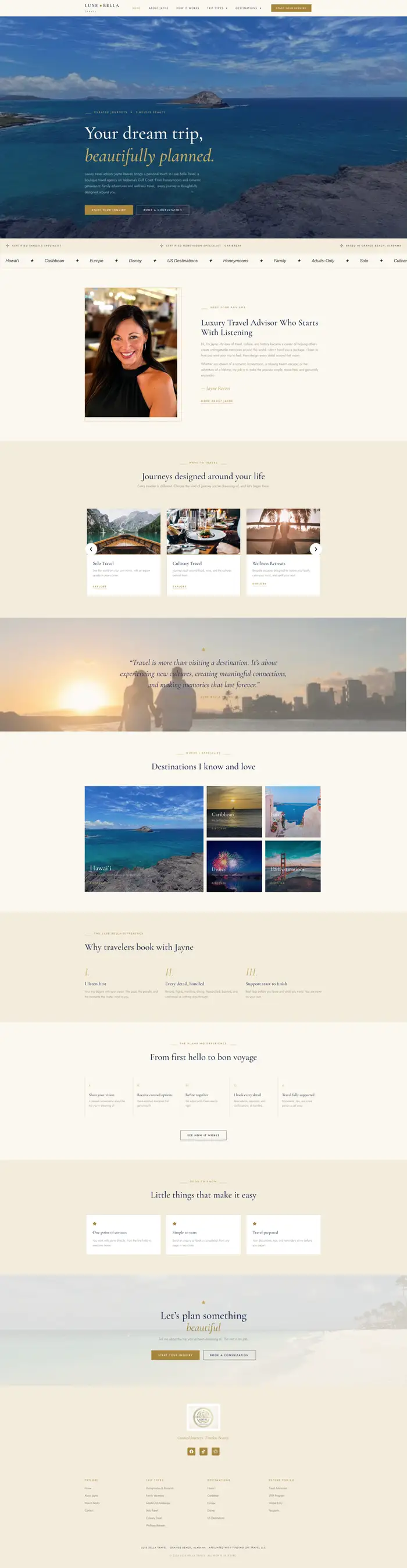
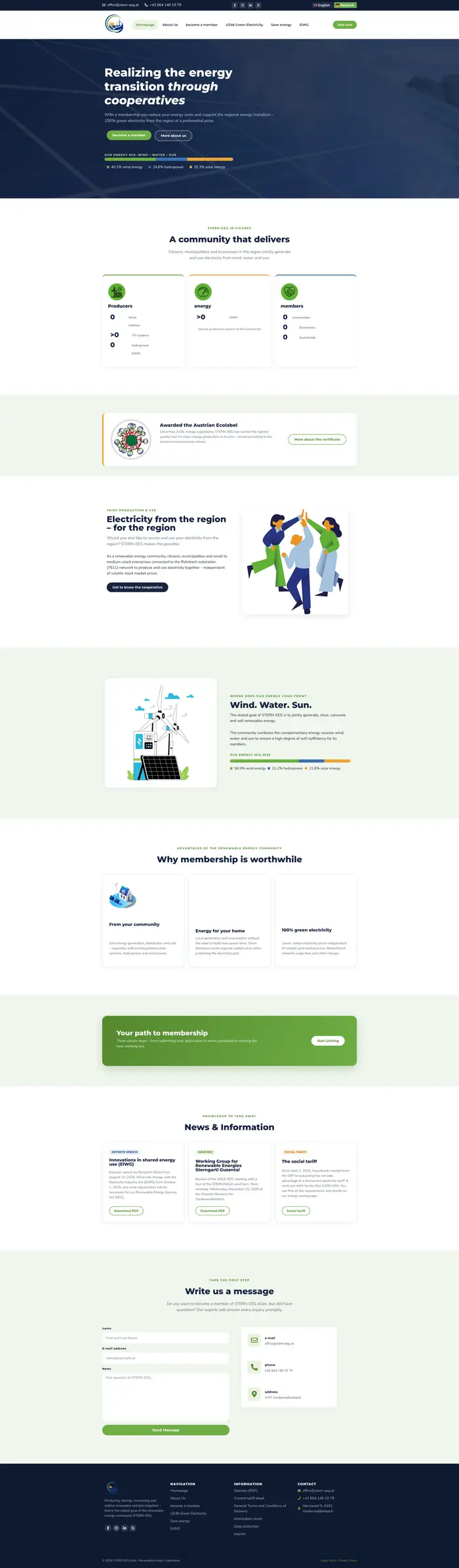
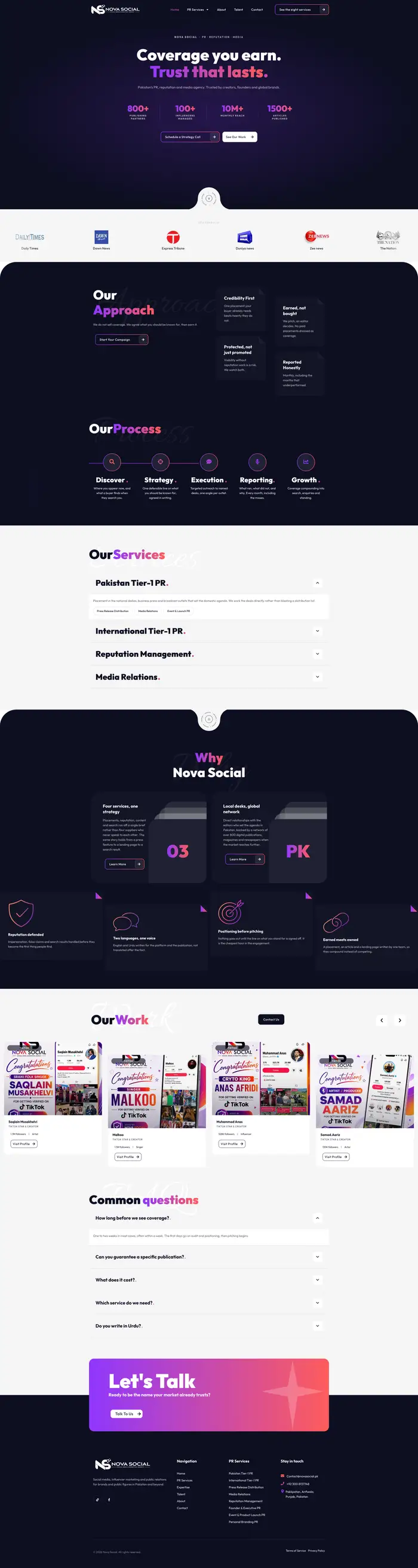
Mostly owners of trade and service businesses. Also SaaS, ecommerce and professional firms. The method stays the same. The map changes for every industry.
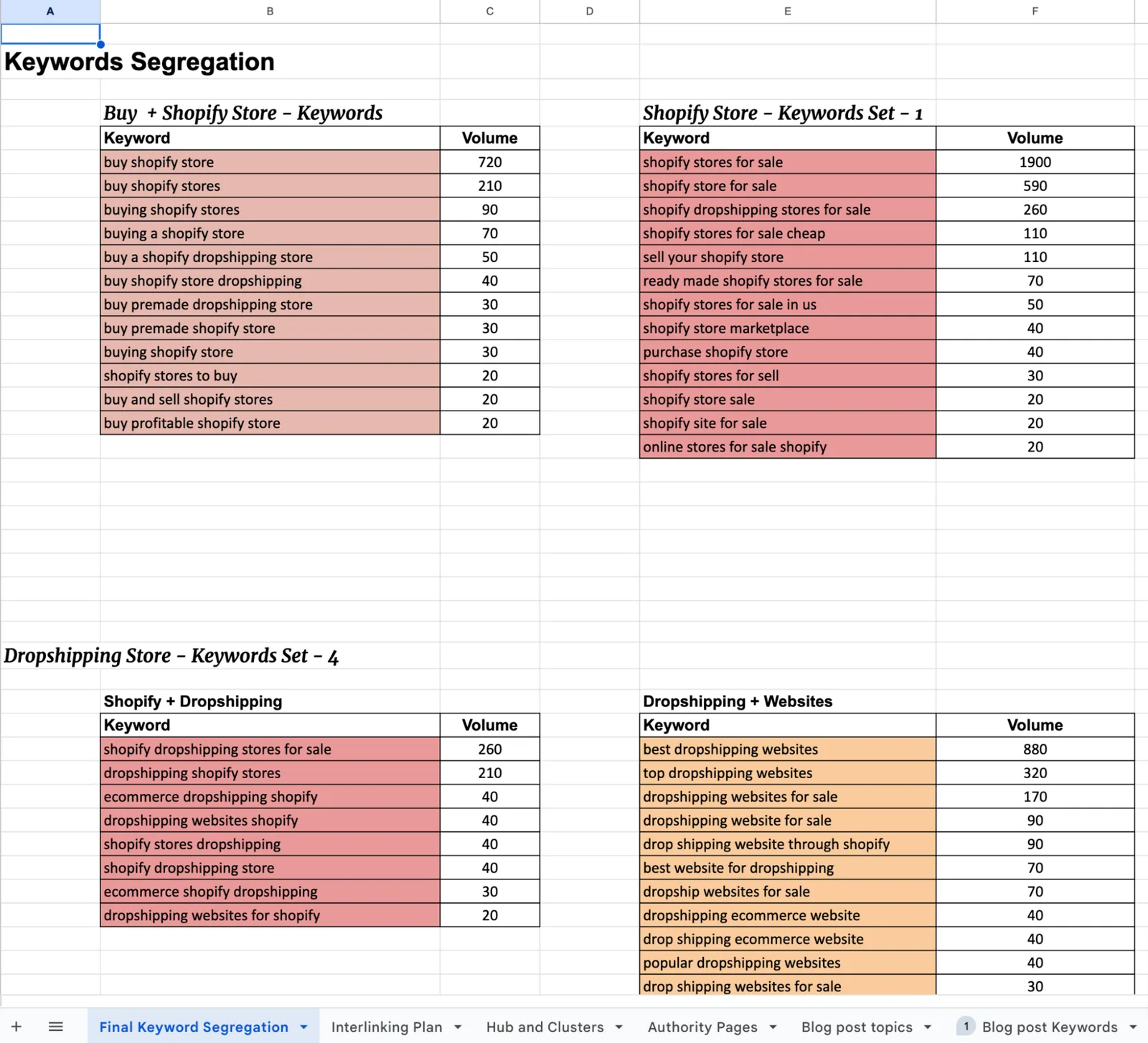
Search Console results, websites and content from real projects. Hover a card to scroll the page. Click to open it full size.

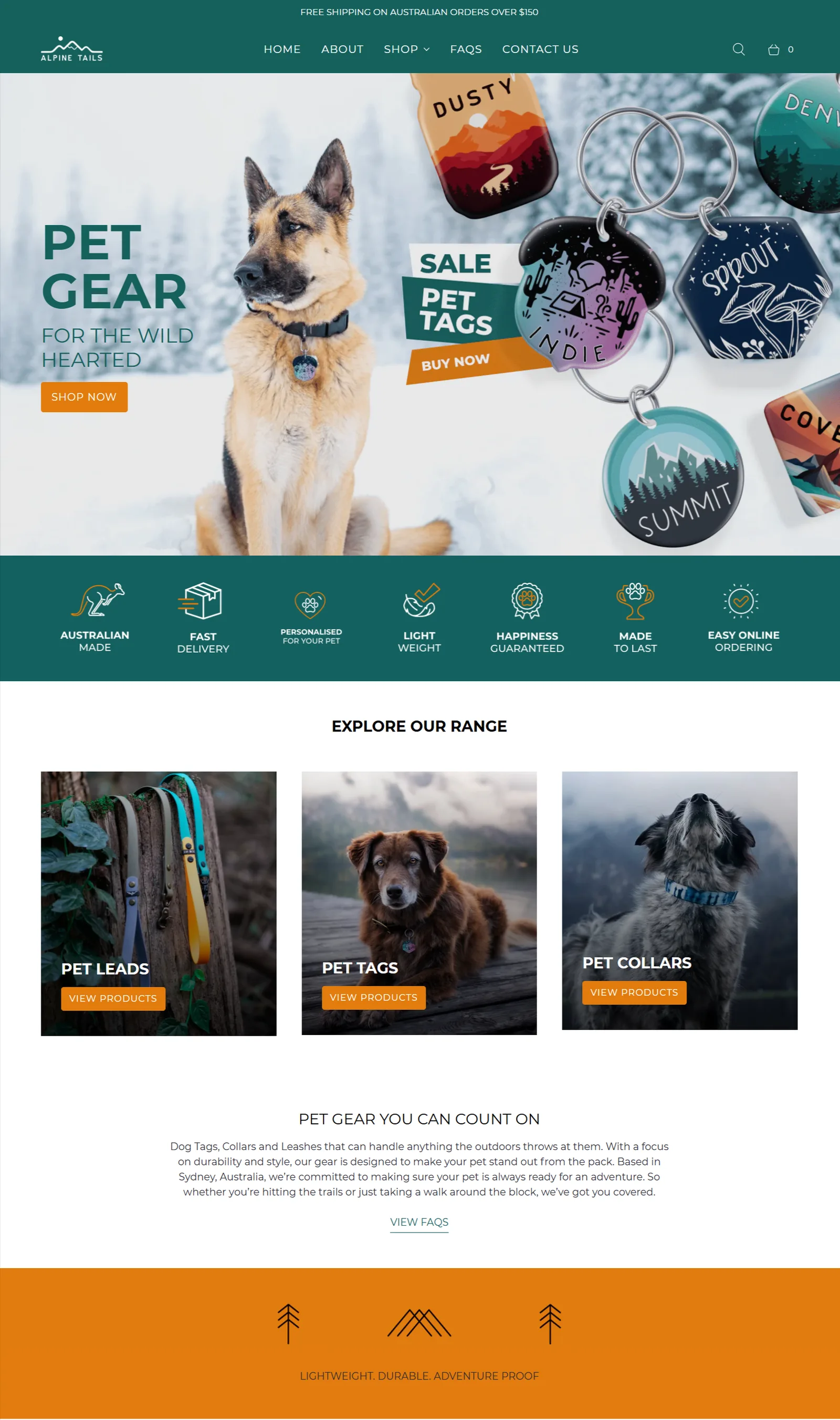
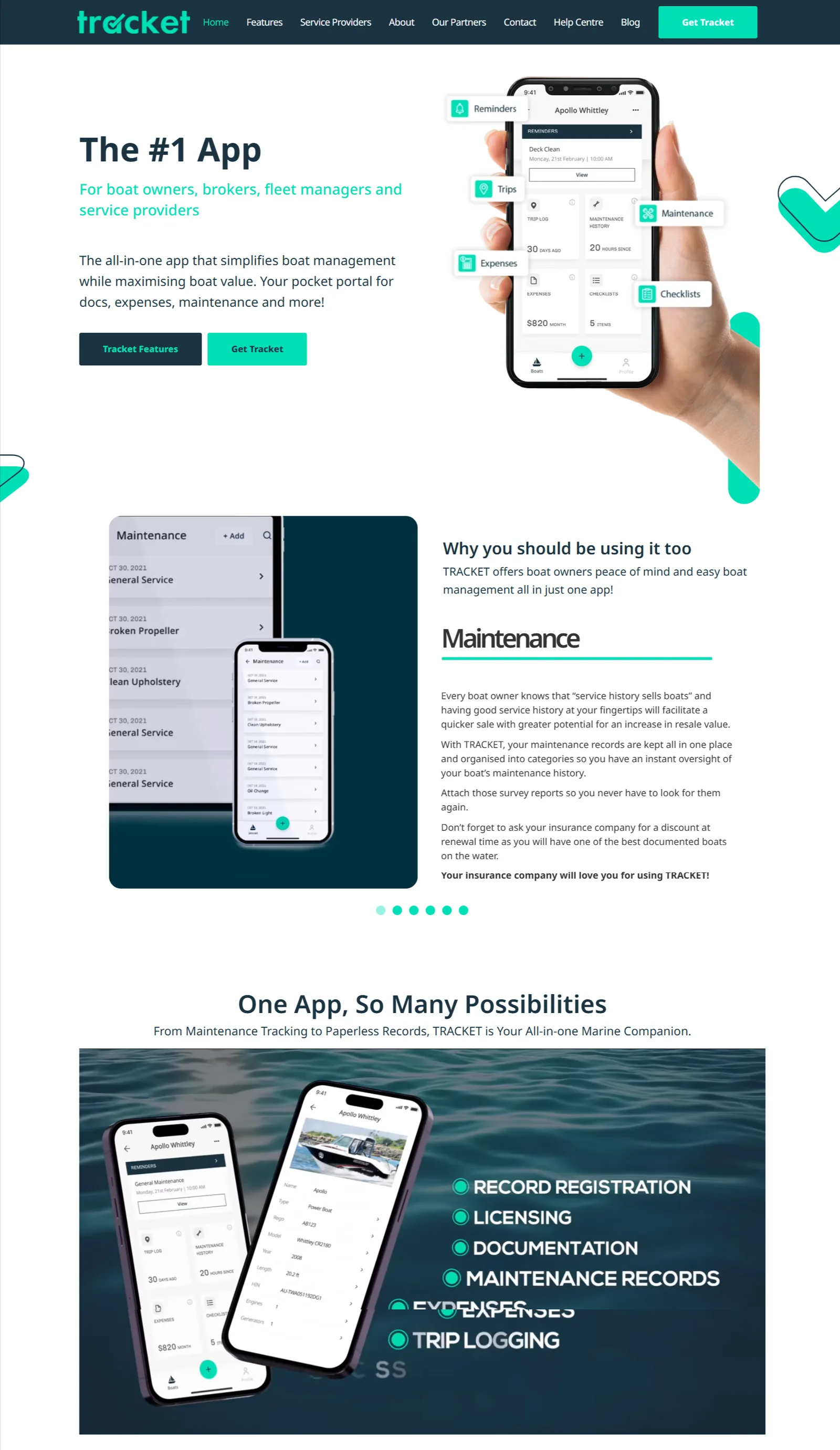
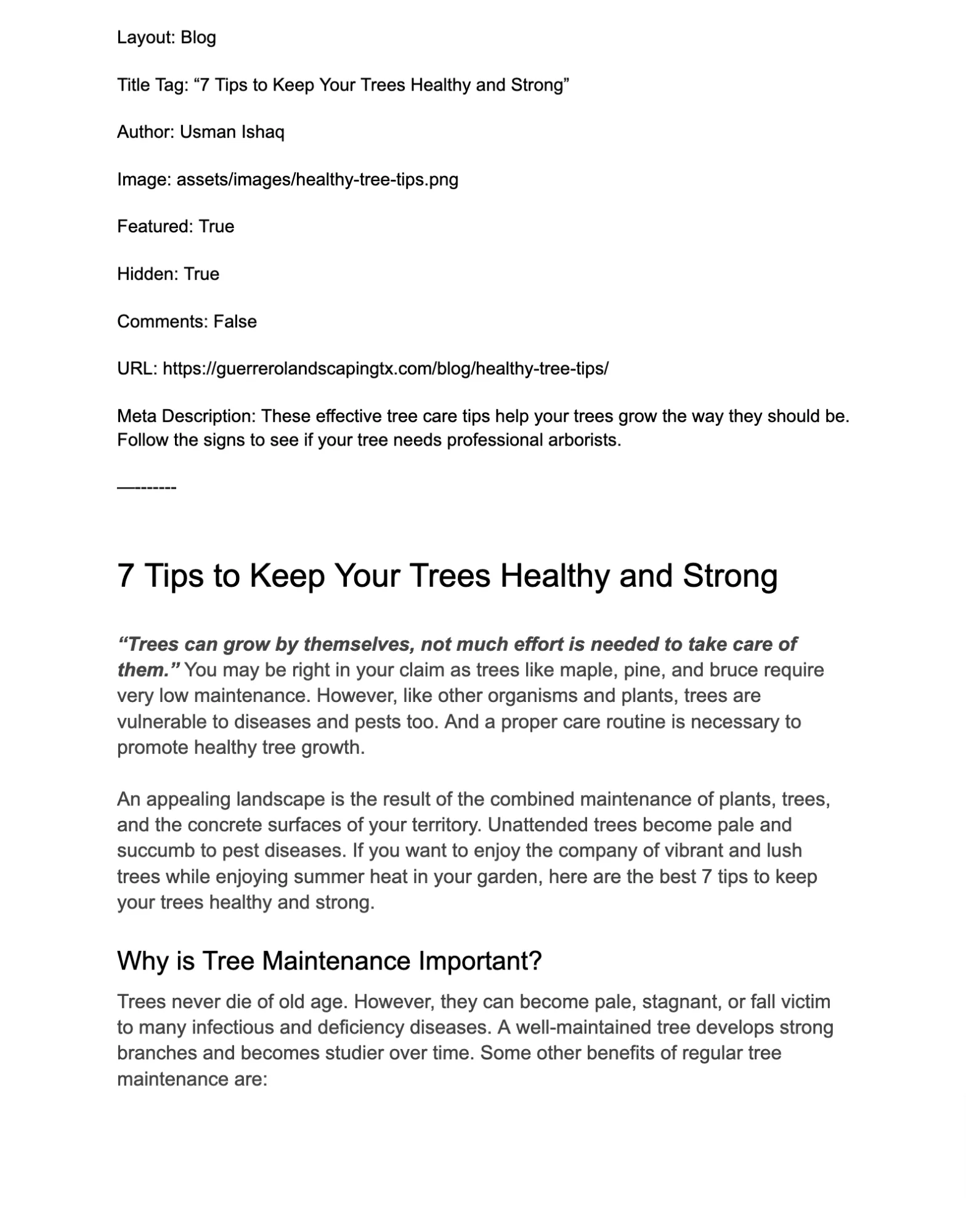
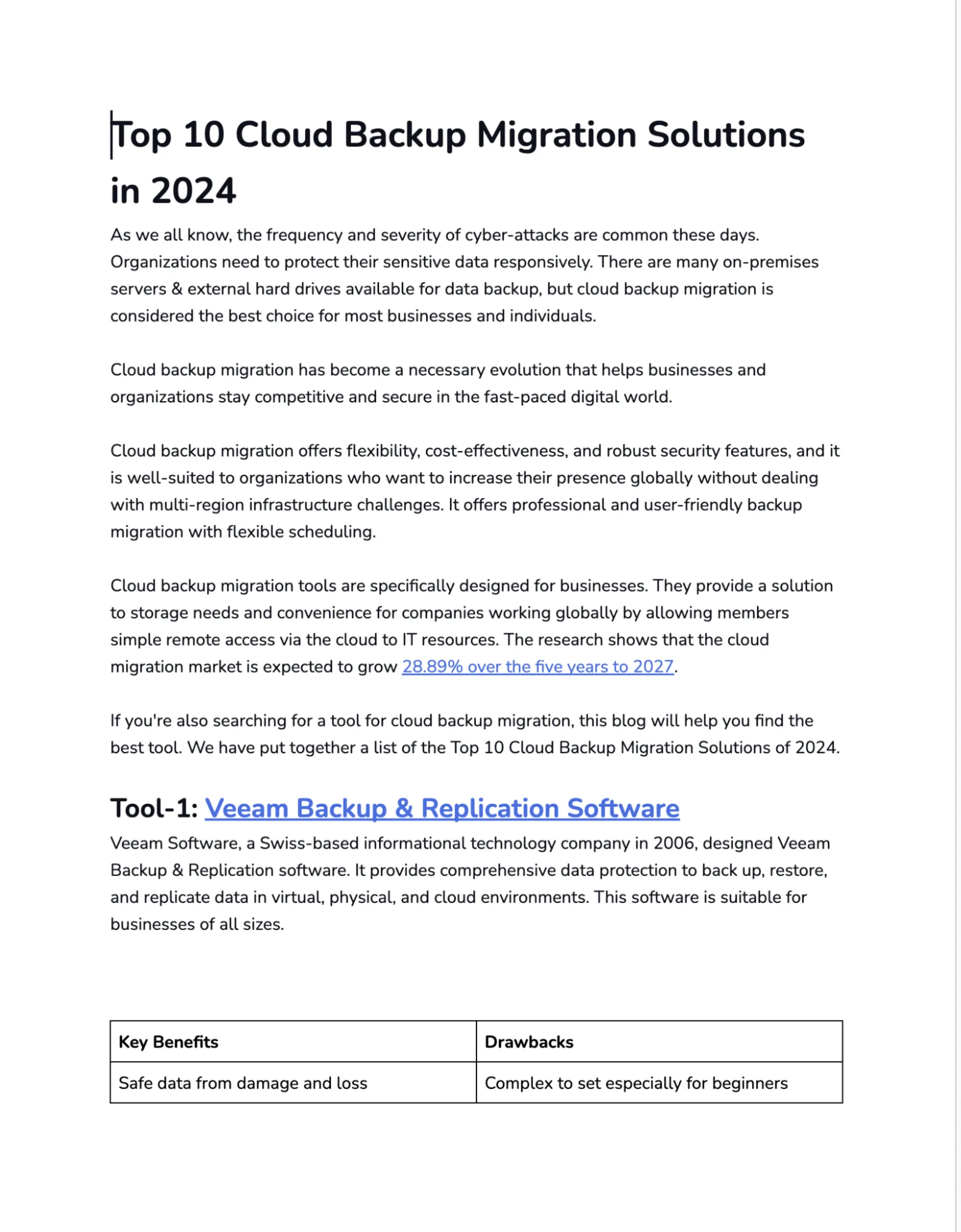



No long contracts before you see the plan. Four phases, each with something you can check.
Thirty minutes. I show you how Google reads your site today, and you tell me what a good month looks like for you.
Source context, central entity and a topical map. You see every page before we build any of them.
Pages, content, schema and internal links go live in the order the map sets, core sections first.
New nodes added as Google trusts the site more. Reports in calls, quotes and booked jobs.
Rankings are a means, not the result. You count the phone, so I do too. New town pages take a few months to start ringing. I tell you that before we talk about any number.

I studied mechanical engineering. Then I started building websites and doing SEO in 2019, and I never stopped thinking in systems. A site is a machine. If one part is wired wrong, the whole thing stalls.
"Most owners have paid for SEO and got a PDF of rankings. I would rather show you the calls."
Today I run Digital Vikingz, a semantic SEO and website team. I follow Koray Tuğberk Gübür's holistic SEO framework on every project and hold his Semantic SEO certification. Most new clients come to me through referrals from the ones I already work with.
At university I spent more time in the ASME chapter than anywhere else. Running workshops, speaking at Toastmasters, building things with students and volunteering on weekends. That is where I learned to explain hard ideas simply.
 Speaking · Community Service Week
 Toastmaster
 TechFiesta '18
 Interview panel '19
 Workshop series
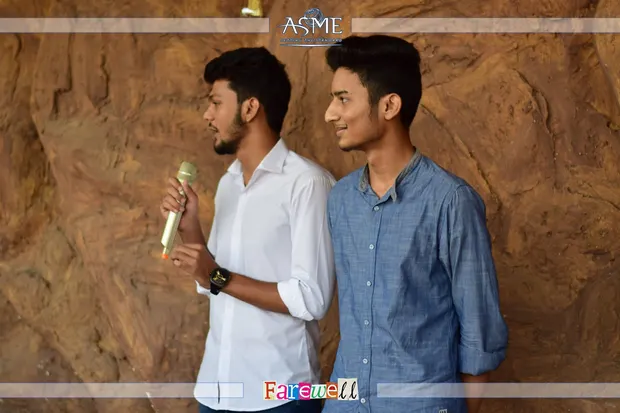 Hosting · Farewell
 Induction drive
 Recruitment drive '17
Recruitment drive, then induction drives and seminars for new members.
TechFiesta, workshops and Toastmaster sessions with the chapter.
Sat on the chapter interview panel, and took on first client work.
A team building semantic SEO systems for businesses in six countries.
Saying no early saves us both time. Here is how I decide.
Plain-language articles on semantic SEO, content networks and AI search. Written from real projects, not theory.
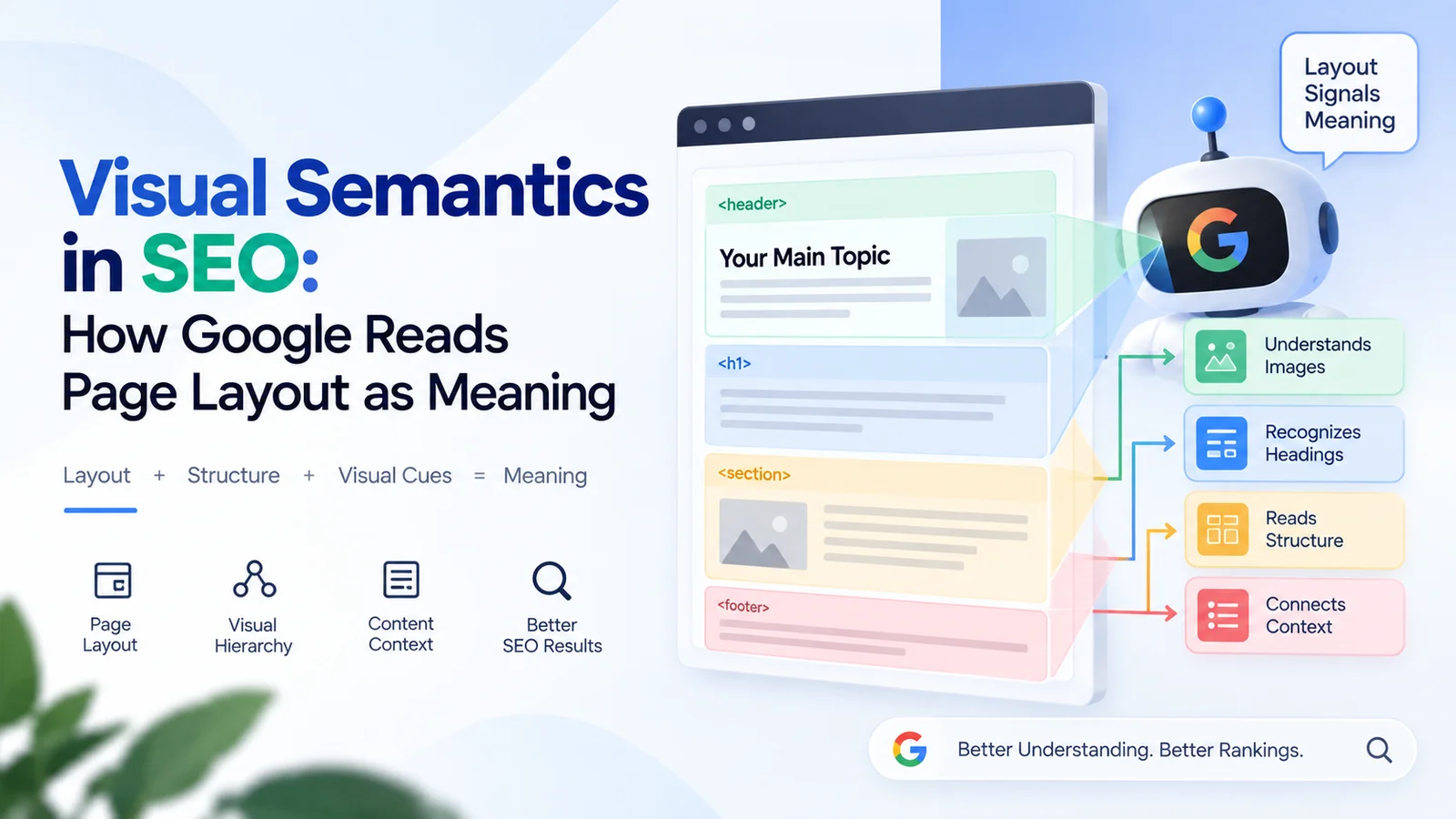
Visual semantics is the meaning a search engine reads from a page's layout, blocks, and components, alongside its text.
Read the article →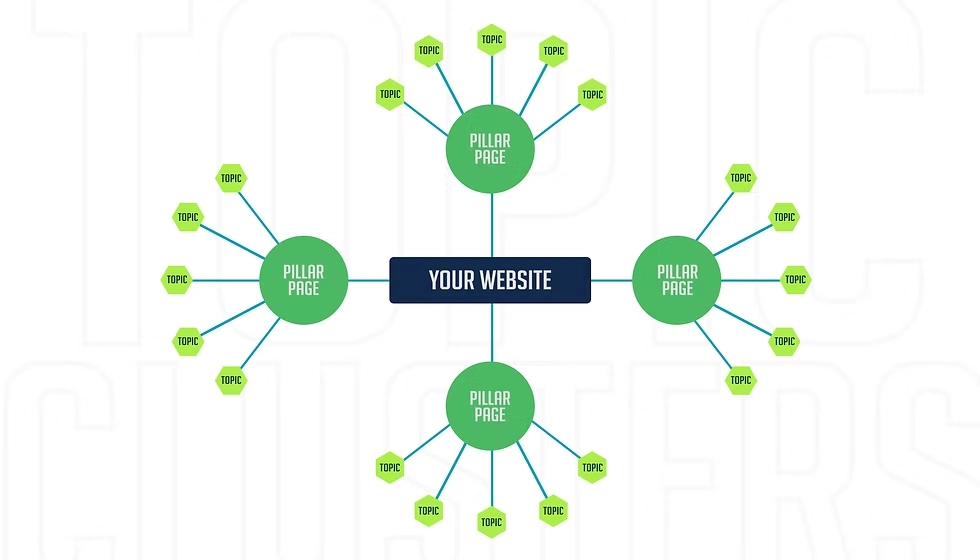
An SEO content network is a strategically interconnected architecture of web pages in which each page strengthens the ranking potential of every other page through entity relationships and internal linking.
Read the article →
Semantic SEO optimizes content around entities, their attributes, and their relationships, while traditional SEO targets individual keywords through density, placement, and backlink acquisition. Google's evolution from Hummingbird through BERT through MUM shifted ranking signals from keyword matching to semantic understanding.
Read the article →
Semantic content structures information around entities and their attributes and relationships rather than keyword frequency. Search engines, including Google, process semantic content through NLP systems that extract meaning from entity declarations, predicate clarity, and contextual relationships.
Read the article →Not here? Ask it on the call. That is what the thirty minutes are for.
Book a call →It means building your site around things and how they connect, not around single keywords. Your business, your services, your towns and the questions customers ask all become clear entities with clear links between them. Google reads that structure and understands what you do and where.
Most SEO packages add posts, links and a monthly report on top of the same site. I start with the structure. If Google cannot tell which page answers which question, more content only adds noise.
No. Nobody controls Google, and anyone who promises a position is guessing. What I can promise is a site Google can read, a plan you can check page by page, and reports in calls and booked jobs.
A few months is normal for new pages. It depends on your competition, your current site and how much proof you can give. I give you an honest range on the call, before we talk about price.
Not always. Sometimes a rebuild of the structure, content and schema on your current site is enough. Sometimes the old site costs more to fix than to replace. The audit tells us which.
WordPress, Elementor, Shopify and Next.js. I pick the one that fits your business and how your team will edit the site, not the one that is easiest for me.
AI answers pull from sources they can understand and trust. Clear entities, direct answers and consistent facts across your site, Business Profile and listings make you easier to cite. It is the same structural work, pointed at a new kind of reader.
Real answers. Your services, the towns you cover, the jobs you want more of, and the questions customers ask on the phone. The best pages are built from what you already know.
Calls, quote requests, form leads and booked jobs first. Rankings and traffic sit underneath as the reason those numbers moved.
Yes. Topical maps, briefs and semantic content can be delivered white-label under your brand.
I set the strategy and the topical map. My team at Digital Vikingz builds, writes and configures it, and I review the work before it goes live.
Mostly the USA, UK, Canada, Australia, UAE and Germany. Content is written for your local market, spelling and search habits.
Book thirty minutes, or send a few details and I will reply with what I see. Pick whatever channel suits you.